
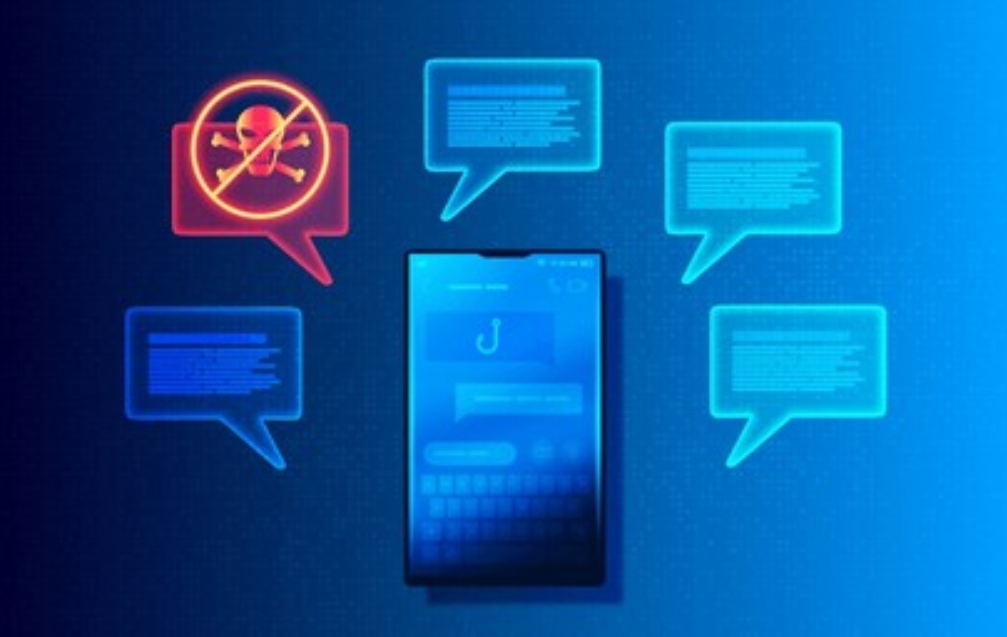
SMS phishing (often called “smishing”) is a type of cyberattack where criminals send fraudulent text messages designed to trick people into revealing sensitive information, such as passwords, personal data, or banking details. These messages often pretend to be from trusted organizations—like a bank, a delivery service, or a government agency—and usually contain a malicious link or a request to reply with personal info.
How it Relates to “Pegasus”
Pegasus is a powerful and invasive type of commercial spyware developed by the NSO Group. It is capable of covertly extracting data from mobile devices, including text messages, photos, emails, and location data, as well as remotely turning on a phone’s microphone or camera.
While standard SMS phishing relies on tricking a user into clicking a link to steal their login details, spyware like Pegasus is much more advanced. In the past, some targeted spyware distribution methods involved sending a specially crafted text message containing a malicious link; if the target clicked it, the software would silently install.
However, advanced spyware deployment has largely evolved beyond traditional user interaction:
- Zero-Click Exploits: Many modern attacks utilizing tools like Pegasus do not require the user to click any link or even open a message at all. These “zero-click” exploits take advantage of hidden security flaws in standard messaging or calling apps. A background message or invisible network packet can be sent to a phone, triggering the exploit automatically without the user ever knowing they were targeted.
Because Pegasus is typically deployed by state actors or intelligence agencies against high-profile individuals (such as journalists, activists, and political figures), the average person is generally not a target for this specific software. Standard SMS phishing, by contrast, is a widespread criminal tactic aimed at financial theft or identity fraud.