
Disclaimer: Warning, never hack into systems, devices etc, where you have no explicit permission to do so!
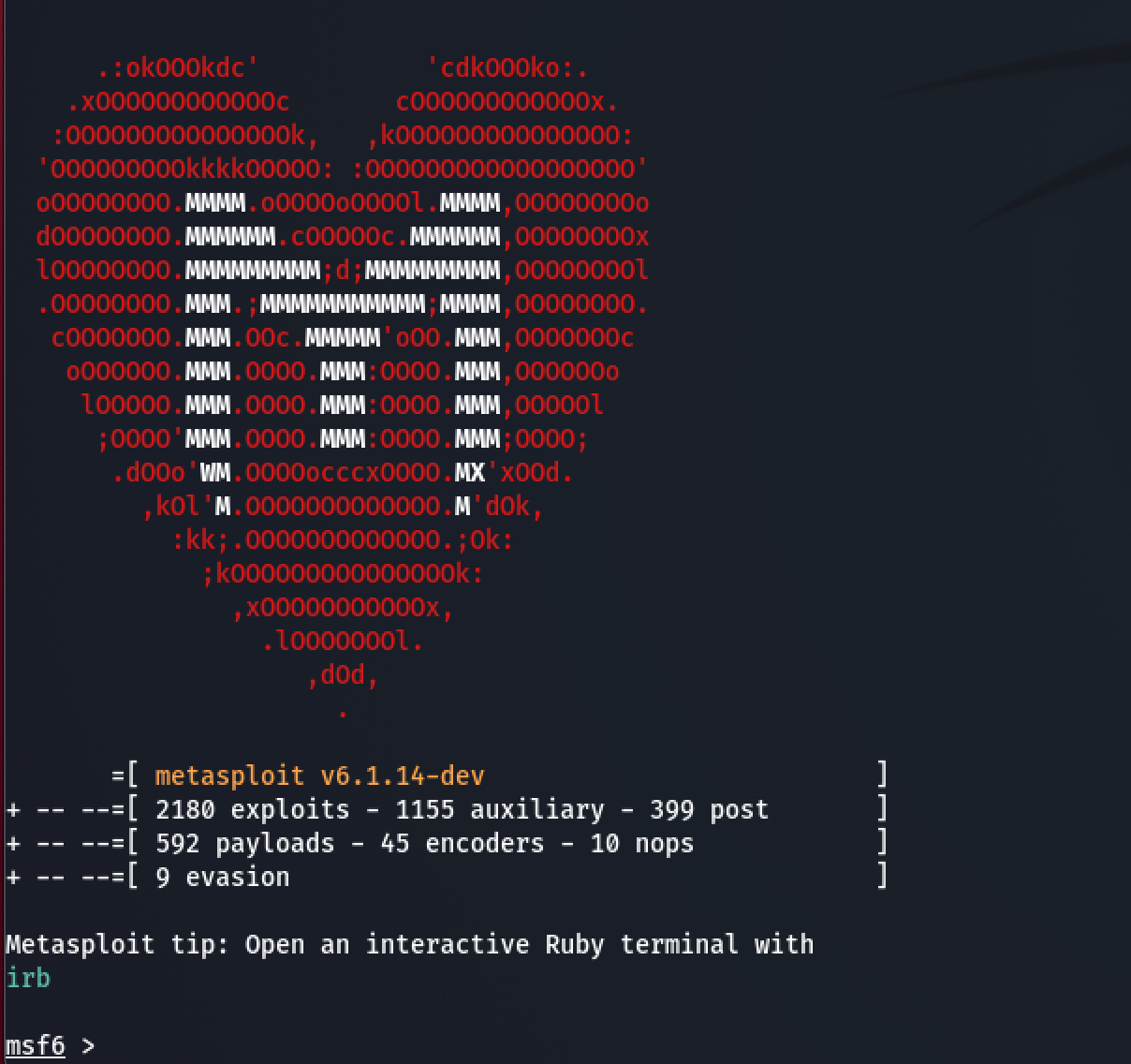
Metasploit is the undisputed heavyweight champion of the penetration testing world. It’s an open-source framework used by ethical hackers to find security vulnerabilities, manage security assessments, and execute exploits.
Think of it as a Swiss Army knife for cybersecurity: it handles everything from scanning a target to maintaining access once you’re in.
Here is a breakdown of how Metasploit works and how it’s used in ethical hacking.
🛠️ The Core Architecture
To use Metasploit effectively, you need to understand its fundamental modules. When you launch the tool (usually via msfconsole), you are working with these building blocks:
- Exploits: The code or sequence of commands used to take advantage of a vulnerability within a system or application.
- Payloads: The code that runs on the target after the exploit successfully breaches the system. This is your “parting gift” (e.g., opening a command shell, installing a keylogger).
- Auxiliary: Modules used for scanning, sniffing, fuzzing, and gathering information about a target without actually exploiting it.
- Post: Post-exploitation modules used after a system is compromised. They help you gather further intelligence, escalate privileges, or pivot to other machines on the network.
- Encoders: Tools used to disguise payloads to help them evade detection by antivirus software or Intrusion Detection Systems (IDS).
🚀 The 5 Steps of a Metasploit Attack
In a controlled penetration test, an ethical hacker typically follows this workflow when using the framework:
1. Information Gathering & Scanning
Before firing any exploits, you need to know what you’re dealing with. You can use Metasploit’s auxiliary port scanners or import results from tools like Nmap.
Example command: use auxiliary/scanner/portscan/tcp
2. Vulnerability Assessment
Once you identify open ports and services (e.g., an outdated SMB service or a vulnerable web server), you search the Metasploit database for matching exploits.
Example command: search cve:2017-0144 (Searching for EternalBlue)3. Choosing the Exploit and Payload
You select the correct exploit for the vulnerability and pair it with a payload. The most popular payload is Meterpreter—an advanced, multifaceted payload that operates in memory, making it incredibly stealthy and hard for antivirus to detect.
Example command: set payload windows/x64/meterpreter/reverse_tcp4. Configuration and Execution
You configure the necessary parameters, such as the target’s IP address (RHOSTS) and your own attacking machine’s IP address (LHOSTS). Then, you trigger the attack.
Example command: exploit or run5. Post-Exploitation
If successful, a session opens (often a Meterpreter prompt). From here, the ethical hacker simulates what a malicious actor might do: dumping password hashes, taking screenshots, navigating the file system, or pivoting to other vulnerable machines on the network.
⚖️ The Ethical Boundary
While Metasploit makes exploitation look incredibly straightforward, the difference between an ethical hacker and a cybercriminal comes down to permission.
Feature Ethical Hacking (Penetration Testing) Malicious Hacking (Black Hat) Permission Explicit, written consent (Scope of Work). None. Illegal entry. Goal Find weaknesses to fix them and improve security. Theft, disruption, extortion, or espionage. Documentation Comprehensive report detailing how to patch the flaws. None (or ransom notes). Are you looking to set up a home lab to practice using Metasploit safely, or are you studying for a specific cybersecurity certification like the CEH or OSCP?